
Literatura afro-feminina brasileira: uma forma de combate ao silenciamento e ao racismo
DOI:
https://doi.org/10.13130/2035-7680/11328Parole chiave:
Afro-Brazilian literature, Black women, Fighting against silencing and racismAbstract
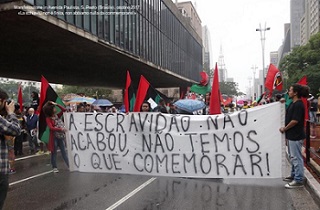
This article approaches the theme of "New Old Slavery" from a study of Afro-Brazilian literature written by women. The idea is to show that black women have lived - and live, since racial prejudice still persists in our society, which is a legacy of the slavery process - for centuries on the slavery of silencing and, through literature, they have been fighting and conquering a space in Brazilian literature from which they give voice to those who, for centuries, have been and continue, even to a lesser extent, being muted and invisible to history, and in this way, a new form of the old slavery is rendered. Through literary art, Afro-Brazilian writers have "blurred" the traditional and official speech when they narrate, from their own perspective, the other version of history that was "forgotten" by the dominant ideology.
Downloads


 Questa opera è pubblicata sotto