
L’Università degli Studi di Milano riconosce l’importanza della Scienza aperta: l’accessibilità delle ricerche, la trasparenza nei processi di validazione e valutazione, la necessità di rendere pienamente visibili tutti i risultati della ricerca svolta in Statale.
Dall’applicazione di questi principi nel 2008 l’Ateneo ha fondato la piattaforma riviste.unimi.it; inizialmente dedicata a riviste scientifiche i cui membri appartenessero a Unimi, si è nel tempo aperta fino a coinvolgere, nel 2020, anche redazioni di altre università ed enti di ricerca. Il 2020 è stato anche l’anno in cui alla sezione Riviste si è aggiunta la sezione Libri, dando così vita alla casa editrice dell’Ateneo Milano University Press.
Fin da subito la casa editrice ha adottato un modello di pubblicazione Diamond Open Access: finanziata dall’Università, la piattaforma Riviste non applica costi né per leggere né per pubblicare.
Il progetto si ispira agli standard internazionali per la produzione di riviste scientifiche open access ed è grazie alla adesione a tali principi che le singole riviste sono indicizzate nei maggiori database internazionali, con l’obiettivo di essere accolte nella Directory of Open Access Journals (DOAJ). Le redazioni e i comitati scientifici operano nel rispetto dei criteri di qualità ormai indispensabili per ogni iniziativa editoriale che voglia essere accreditata.
L’iniziativa si propone la più ampia disseminazione possibile delle riviste scientifiche dell’Ateneo, in accordo con le policy internazionali sulla scienza aperta, a partire dalle dichiarazioni di Messina e Berlino e dai principi espressi dalla LERU nel suo documento "Open Science and its role in universities: a roadmap for cultural change" fino ai più recenti requisiti del Diamas Project.
La piattaforma Riviste Unimi è coordinata dalla Direzione Performance, Assicurazione Qualità, Valutazione e Politiche di Open Science, Ufficio di supporto alle politiche di Open Science dell'Università degli Studi di Milano.
Revues
ACME
Acme si propone di contribuire allo studio e all’approfondimento dei settori umanistici della ricerca, sia con l’apporto di maestri riconosciuti, sia valorizzando il contributo di studiosi giovani e promettenti che sappiano approfondire specifiche tematiche filologiche e filosofiche, storiche e artistiche.

Altre Modernità
Riflessione sulla produzione culturale, artistica e letteraria della contemporaneità, attraverso una prospettiva transdisciplinare e plurilinguistica. Si dedica principalmente allo studio dei margini e delle periferie del mondo globalizzato

AN-ICON. Studies in Environmental Images
The journal AN-ICON. Studies in Environmental Images [ISSN 2785-7433] is a peer-reviewed open access academic journal, stemming from the ERC Advanced project “AN-ICON. An-Iconology: History, Theory, and Practices of Environmental Images”. The journal is officially recognized as a scientific for Area 10 (Antiquities, philology, literary studies, art history) and Area 11 (History, Philosophy, Pedagogy, and Psychology).
The journal aims to set out a groundbreaking interdisciplinary research field addressing the key challenges raised by the rapidly evolving contemporary mediascape, focussing in particular on the emergence of what can be defined as environmental images, namely an-icons.
The journal is indexed by ERIH PLUS and listed in the Directory of Open Access Journals (DOAJ).

Annals of Microbiology
Raccolta dei primi numeri digitalizzati della rivista Annals of Microbiology, dal 1940

AOQU (Achilles Orlando Quixote Ulysses). Rivista di epica
La rivista «AOQU. Achilles Orlando Quixote Ulysses» nasce dall’esperienza di un gruppo di ricerca sul poema in ottave come ricettore di generi. Essa si propone quale luogo di confronto sul modello epico nei suoi confini più allargati, fra spinte innovative e persistenze profonde: come sistema valoriale, proiezione di sé sulla storia e sulla società, auto-identificazione in rapporto all’altro, ideologia e immaginario; e naturalmente come genere caratterizzato da costanti e diffrazioni, e ripercorribile nel suo articolato manifestarsi – non necessariamente in forma letteraria – fino al presente.
«AOQU» è dunque aperta a contributi di carattere scientifico in Italiano, Inglese, Francese, Spagnolo, sul ruolo dell’epica (come genere o come registro) nei differenti sistemi culturali, e prevede anche numeri monografici su specifici aspetti e questioni.
Archivio Storico Lombardo
Fondata nel 1874 dalla Società Storica Lombarda, la rivista Archivio Storico Lombardo promuove gli studi sulla storia di Milano e della Lombardia dall’età antica all’epoca contemporanea. Sin dalle origini Cesare Cantù pensava a “una storia militare, una amministrativa, una finanziaria o economica, una politica: e a ciascuna noi tributeremo soccorsi, fra la polvere degli archivi cercando quel profumo di verità che esala dalle carte contemporanee”. Seguendo l’evoluzione dei temi, dei metodi e delle specializzazioni della ricerca, l'Archivio Storico Lombardo propone ogni anno articoli originali di storia milanese e lombarda secondo molteplici declinazioni disciplinari, anche valorizzando l’impiego delle fonti primarie.
La rivista è pubblicata da Milano University Press nell’edizione online ad accesso aperto e da Scalpendi nell’edizione a stampa.

Aristonothos. Rivista di Studi sul Mediterraneo Antico
Questa rivista vuole celebrare il mare Mediterraneo e contribuire a sviluppare temi, studi e immaginario che il cratere firmato dal greco Aristonothos ancora oggi evoca. Deposto nella tomba di un etrusco, racconta di storie e relazioni fra culture diverse che si svolgono in questo mare e sulle terre che unisce.
Nata nel 2007, in versione cartacea, come collana in cui venivano pubblicati atti di convegno e volumi miscellanei, dal 2010 è anche online sulla piattaforma OJS dell'Università degli Studi di Milano. Dal 2020 Aristonothos si è infine trasformata in rivista, accogliendo articoli da parte di studiosi di discipline antichistiche con particolare riferimento alle culture del bacino del Mediterraneo e costituendo una sede dove possano confluire ricerche e contributi innovativi e originali. Nel 2025 Aristonothos ha ottenuto il riconoscimento della classe A per i settori concorsuali 10/A1 (Archeologia) e 10/D1 (Storia antica), valida per tutti i fascicoli della rivista a partire dal 2020.

Artology: Studies in the Arts
Artology: Studies in the Arts is an interdisciplinary and experimental platform that explores innovative work across various artistic disciplines, including painting, sculpture, installation, performance, photography, visual culture, digital media, music, theater, dance, and art education.

Atti del Sodalizio Glottologico Milanese
Gli Atti del Sodalizio Glottologico Milanese pubblicano saggi inerenti alla scienza del linguaggio, che riflettono l'attività di produzione scientifica dei soci del Sodalizio. Normalmente i contributi pubblicati negli Atti riproducono il contenuto delle conferenze tenute durante le sedute del Sodalizio Glottologico Milanese nell'anno precedente a quello di pubblicazione.

Avocetta
Avocetta pubblica in una varietà di campi ornitologici, inclusi l'ecologia, l'ecologia del comportamento, l'etologia, la filogeografia, la tassonomia, la biogeografia e la conservazione


Biblioteca Artificiale
Biblioteca Artificiale è una rivista semestrale Diamond Open Access che studia l’Intelligenza come entità multiforme e molteplice complessa e stratificata

Bollettino di zoologia agraria e bachicoltura
Raccolta dei primi numeri digitalizzati della rivista "Bollettino di zoologia agraria e bachicoltura" dal 1929.
Carte Romanze. Rivista di Filologia e Linguistica Romanze dalle Origini al Rinascimento
Carte Romanze è una pubblicazione scientifica dedicata allo studio delle lingue e delle letterature romanze del Medioevo e del Rinascimento, che ambisce ad andare oltre l’ambito accademico, proponendosi come un agile strumento di approfondimento e di confronto tra generazioni di studiosi di differente formazione e provenienza, e offre una visione moderna e attuale, seppur saldamente ancorata alla tradizione, della Romanistica, dando spazio a interventi ispirati anche ad approcci ermeneutici originali, rigorosi e non conformistici, utili per costruire un serio progetto culturale. Nelle varie sezioni della rivista (Testi, Saggi, Varietà, Note e Discussioni, Recensioni e schede) resteranno comunque centrali l’attenzione al testo e il punto di vista comparato, aperto anche allo studio dei rapporti con le letterature classiche, mediolatine, germaniche e semitiche.
Carte Romanze (CR) è un periodico semestrale on line e open access, che utilizza la piattaforma operativa OJS (Open Journal System); ha ottenuto nel 2018 la classificazione A dall'ANVUR; è presente nell'indice europeo ERIH-PLUS, nella Core collection di Web of Science (Emerging Sources Citation Index, ESCI, dal 2015) e nei repertori CIRC, ACNP, BASE, EZB, DOAJ, PLEIADI, Reti Medievali Open Archive, ROAD, WorldCat, ZDB.
Chi fosse interessato all'acquisto dei numeri cartacei può trovarli a questo indirizzo.

Cinéma&Cie
Cinéma & Cie is an international, peer-reviewed academic journal. The research areas of the journal include media history and theory and their relationship; the various intersections between technological, industrial and representational aspects; audiovisual heritage; reception and consumption; the links between different forms of audiovisual narrative, art and communication.
Published twice a year (in Spring and Fall), the journal is structured in four different sections:
– Thematic issue: usually the largest section, devoted to a specific topic. This section only accepts submissions in response to specific calls for essays that are advertised via the journal website;
– Beyond Cinema: a section focused on innovative perspectives on the transformations in the field of film studies. Submissions are accepted only in response to the permanent call for essays advertised on the website;
– Projects & Abstracts: the section details international research and noteworthy Ph.D. thesis projects or abstracts, recommended by supervisors;
– Reviews: the section consists of significant essays, festivals, exhibitions, conferences and related content.
Concorso. Arti e lettere
[Pubblicazione cessata]
Concorso. Arti e lettere, nata all'interno del Dipartimento di Storia dell'Arte dell'Università degli Studi di Milano, si propone di pubblicare materiali e interventi, soprattutto di giovani studiosi, nell'ambito della ricerca storico-artistica.

Configurazioni. Ricerche sulla poesia contemporanea
Rivista di studi sulla poesia novecentesca e duemillesca.

Connessioni remote. Artivismo_Teatro_Tecnologia
Rivista di Classe A per i settori scientifici 10/PEMM-01 e 14/GSPS-06 del Dipartimento di Beni Culturali e Ambientali diretta da Anna Monteverdi e Laura Gemini sul rapporto tra tecnologia, arte visiva e teatro in un'ottica di artivism. Si ispira alla pratica tecno-politica di Giacomo Verde .

Consonanze
I nuovi numeri di Consonanze sono disponibili nella sezione libri della Milano University Press
****
L’armonica fusione, nel “Dipartimento di Studi Letterari Filologici e Linguistici” dell’Università degli Studi di Milano (struttura di fatto corrispondente al corso di laurea in Lettere) degli studiosi che operavano nei due diversi dipartimenti di “Scienze dell’antichità” e di “Filologia moderna”, ha portato con sé, come semplice e logica conseguenza, la nascita di una nuova collana di studi e testi, destinata a ospitare le pubblicazioni delle nostre varietà disciplinari.
Il suo titolo, «Consonanze», intende suggerire la pluralità di interessi scientifici e di approcci metodologici, ma al tempo stesso l’intima coerenza, sul piano del rigore, dei contributi destinati ad arricchirla, siano essi di taglio filologico, letterario, linguistico o storico.
«Consonanze» ospiterà tanto lavori di docenti esperti come di giovani studiosi, tanto monografie come miscellanee o atti di convegno, libri che passeranno il vaglio rigoroso della revisione fra pari e che saranno leggibili sia su supporto cartaceo sia sulle pagine elettroniche della rete.
La collana, che si avvale di un prestigioso comitato scientifico, non è destinata solamente a dar esito alle migliori ricerche dei membri del Dipartimento, ma si onorerà di accogliere anche contributi di studiosi esterni, italiani e stranieri.
Giuseppe Lozza

Criando: la rivista di CRIAR
[Pubblicazione cessata] Criando è la rivista del Centro di Ricerca Interuniversitario sulle Americhe Romanze (CRIAR); si propone come spazio per la riflessione transculturale e interdisciplinare sulla “questione della lingua” tra le comunità americane di lingua romanza in una prospettiva postcoloniale e decoloniale.
De Musica
Fondata nel 1997 all'Università Statale di Milano, De Musica è una rivista interdisciplinare che si occupa in maniera di tematiche rilevanti per la riflessione musicale, spaziando tra filosofia, musicologia, scienze cognitive, psicologia e psicoacustica.

DigitCult - Scientific Journal on Digital Cultures
DigitCult@Scientific Journal on Digital Cultures is an international academic journal that publishes articles under the Diamond Open Access model, which undergo double-blind peer review.
The journal aims to highlight international research and present the current debate on digital culture, technological innovation, and social change. DigitCult, taking into account the increasingly pervasive diffusion of digital cultures and their social impacts, intends to study the processes of transformation and innovation within different disciplinary traditions, also in relation to the design of new digital models, both in the field of Social Sciences and Media Studies as well as in that of Library and Information Science and Digital Humanities. DigitCult aims to discuss key issues in both theoretical and empirical research.

Dike - Rivista di Storia del Diritto Greco ed Ellenistico
Rivista di storia del diritto greco ed ellenistico.
di/segni
La collana digitale del Dipartimento di Lingue e Letterature Straniere dell’Università degli Studi di Milano si propone di contribuire alla disseminazione della conoscenza fornendo ampia e rapida circolazione ai risultati dei ricchi e compositi studi condotti dai docenti e ricercatori del Dipartimento, nonché dai giovani in alta formazione, assicurandone estesa accessibilità attraverso le reti telematiche, senza rinunciare a garantirne la lettura su carta. Proponendo titoli in base a rigorosi criteri di selezione e controllo, intende potenziare la già forte visibilità internazionale del Dipartimento, giovandosi dei molteplici legami e scambi esistenti con specialisti di altri atenei, centri di ricerca e istituzioni culturali, capaci di produrre feconde collaborazioni anche nell’ambito dell’editoria digitale. Le aree privilegiate sono quelle di anglistica, francesistica, germanistica, iberistica, scandinavistica e slavistica, nelle loro proiezioni europee ed extraeuropee, accomunate in un’unica serie di pubblicazioni, la cui tipologia comprende monografie, saggi brevi e volumi collettanei riferiti a eventi o progetti anche interdisciplinari e internazionali.

Dissertation Nursing
Dissertation Nursing è una rivista open access, double blind e peer reviewed che pubblica lavori di ricerca originali o revisioni effettuate prevalentemente dagli studenti delle discipline infermieristiche a qualunque livello (Laurea Triennale, Master, Laurea Magistrale, Dottorato, etc).
Vengono accettati anche lavori di ricerca concernenti le scienze infermieristiche effettuati da professionisti del settore.

Doctor Virtualis
Doctor Virtualis. Rivista di storia della filosofia medievale. Fondata nel 2002 dalle Cattedre di Storia della filosofia medievale dell'Università degli Studi di Milano
ISSN 2035-7362

Enki & Ptah. Journal of Technology and Trade in Ancient Egypt and Western Asia
Enki & Ptah è un rivista scientifica dell'Università degli Studi di Milano dedicata a studi su scienza e tecnologia, artigianato, scambi e interazioni commerciali nell’area dell’Egitto e Nubia, Mediterraneo orientale e Asia occidentale antichi, dalla preistoria all'inizio dell'ellenizzazione. La rivista accetta contributi in inglese sia di tipo archeologico e storico sia filologico e testuale ed è diretta da Alessandro Cavagna e Luca Peyronel.
La rivista accetta contributi per il secondo numero (2026).
Scadenza invio manoscritti: 30 maggio 2026


Epidemiology, Biostatistics, and Public Health
EBPH aims to be a cross-discipline, international forum for scientific integration and evidence-based policymaking

Eventum: A Journal for Medieval Arts & Rituals
Eventum is a non-profit, interdisciplinary, peer-reviewed, and diamond open access scholarly journal dedicated to the ritual dimensions of medieval arts and to the interrelations between visual, literary, and performing works. Eventum is especially interested in overlaps that take place within the framework of various medieval rituals: religious, semireligious, profane. The journal is edited by medievalists of the University of Cyprus and lists in its Editorial Board international experts. Eventum welcomes submissions from scholars at different career stages. It is published annually in English and publishes both thematic and non-thematic issues.

Ex Chordis
Ex Chordis è una rivista scientifica accreditata ANVUR (area 10), open access e peer review, promossa dal Dipartimento di Strumenti ad Arco del Conservatorio di Musica "N. Piccinni" di Bari e pubblicata per la Milano University Press. La rivista intende approfondire la cultura degli strumenti ad Arco in ottica interdisciplinare.

Fenestella. Inside Medieval Art
Fenestella. Inside Medieval Art si rivolge ai medievisti che con l’arte intendono fare storia, indagando i manufatti dall'interno, come attraverso una fenestella confessionis.

Food In
[Pubblicazione cessata]
Collezione di studi sull'ispezione degli alimenti di origine animale
Codice ISSN: 2039-1544
Food in è una rivista che pubblica monografie su alimenti di origine animale, che ricoprano i vari aspetti della sicurezza alimentare.
Food In si rivolge agli studenti universitari e alle figure professionali che si occupano di alimenti di origine animale.

Gilgameš
[pubblicazione cessata] Giornale Interdisciplinare di Lettere e Linguistica, Geografia, Arte e Archeologia, Musica e Spettacolo

Giornale Italiano di Tossicologia
Il Giornale Italiano di Tossicologia rappresenta la rivista scientifica e l’organo ufficiale di stampa della Società Italiana di Tossicologia, e si pone come strumento e canale di comunicazione e di informazione tra SITOX e tutti coloro che, soci e non, sono interessati alla disciplina della Tossicologia.

Glocalism. Journal of culture, politics and innovation
Glocalism is a peer-reviewed, open-access and cross-disciplinary journal dealing with the process of globalization and glocalization.


Il Risorgimento
Fondata a Milano nel 1949, è divenuta un punto di riferimento per gli studi di storia italiana ed europea dalla metà del Settecento ai primi decenni del Novecento
InKoj. Interlingvistikaj Kajeroj
[Pubblicazione cessata] Rivista accademica sui linguaggi pianificati e artificiali
Universitata revuo pri planlingvoj kaj artefaritaj lingvoj
Pubblicazione semestrale
ISSN: 2037-4550
Il progetto InKoj (Interlingvistikaj Kajeroj) intende rispondere all'esigenza di un luogo di studio e di discussione, di livello accademico, dei temi connessi alle lingue pianificate e ai linguaggi artificiali, sia dal punto di vista delle analisi logico-linguistiche della struttura morfosintattica e di generazione del lessico, sia dal punto di vista della storia delle idee, delle concezioni epistemologiche e ontologiche che li sorreggono. Si tratta di un ambito di interesse squisitamente filosofico, in quanto chiama in causa, per il suo approfondimento, questioni di tassonomia categoriale, di logica formale, ispirazioni mistico-religiose, progetti utopici politici ed artistici. D'altra parte, l'interdisciplinarità dell'ambito di studio impone al progetto una struttura aperta a contributi di specialisti di differenti discipline, dalla psicologia all'informatica, dalla matematica alla linguistica. Inoltre, la rivista si propone come luogo di discussione per i progetti di tutela della parità linguistica, mediante il ricorso ad un'interlingua, in contesti di plurilinguismo, come, ad esempio, l'Unione Europea.
Se pensi che la rivista incontri i tuoi interessi, ti invitiamo cortesemente a registrarti come Lettore. Verrai sempre aggiornato con informazioni su recensioni e numeri successivi della rivista, gratuitamente. | La projekto InKoj (Interlingvistikaj Kajeroj) celas plenumi la bezonon de stud- kaj diskut-loko, je universitata nivelo, pri la temoj rilatantaj la planitajn lingvojn kaj la lingvojn artefaritajn, kaj el la vidpunkto de la logikaj kaj lingvaj analizoj pri la strukturo morfosintaksa kaj leksik-genera (leksik-estiga), kaj el la vidpunkto de la historio de la ideoj, de la epistemologiaj kaj ontologiaj konceptadoj sur kiuj baziĝas tiuj lingvoj. Temas pri studkampo precipe filozofia, ĉar ĝi postulas, por sia plenumo, la diskuton de problemoj pri kategoria taksonomio, pri formala logiko, mistikaj kaj religiaj inspiroj, utopiaj projektoj politikaj kaj artaj. Aliflanke, la interfakeco de tiu studkampo postulas tion, ke la projekto havu strukturon malfermatan al kontribuaĵoj de spertuloj pri aliaj fakoj, ekzemple: psikologio, informadiko, matematiko, lingvistiko, ktp... Krome, la revuo sin proponas kiel diskut-lokon por la projektoj de protektado de la lingv-rajta egaleco per la uzo de helplingvo, ene de plurlingvaj medioj kiel, ekzemple, la Eŭropa Unio.
Se vi opinias ke la revuo povas esti interesa, bonvolu aliĝi kiel Lettore (= leganto). Vi ricevos senkoste ĝisdatigitajn informojn pri recenzoj kaj venontaj kajeroj de la revuo. |

inOpera Esercizi di lettura su testi contemporanei
«inOpera» è una rivista semestrale (con riconoscimento di scientificità per l'Area 10) che ospita esercizi di lettura su singoli testi, sia poetici sia narrativi, appartenenti agli ultimi due secoli della storia italiana, non senza escursioni che conducano l’indagine alla saggistica e alle scritture private e al di là dei confini nazionali.
Il progetto prende idealmente le mosse da questa sentenza di Theodor Adorno: «L’universale della bellezza non può comunicarsi al soggetto che attraverso l’ossessione del particolare» (Minima moralia).

Interfaces: A Journal of Medieval European Literatures
Interfaces promotes connective and interdisciplinary views of the literatures of medieval Europe and explores their place and significance in a world of global literature.
Interfaces is an open-access peer-reviewed journal and invites scholarly papers in English, French, German, Italian, or Spanish.
Read more about our Scope.

International Journal of Health, Animal Science and Food Safety
[pubblicazione cessata] HAF copre tutti i settori riguardanti la salute, la scienza degli animali e la sicurezza alimentare. La rivista accoglie con favore la presentazione di manoscritti che rispondono ai criteri generali di significatività e di eccellenza scientifica

Italian Journal of Public Health
The archived issues of the Italian Journal of Public Health (IJPH) (2003-2012), now Epidemiology Biostatistics and Public Health (EBPH)
Italiano LinguaDue
Italiano LinguaDue è la rivista semestrale elettronica open access del Master Promoitals dell'Università degli Studi di Milano.
Il periodico pubblica contributi di studiosi italiani e stranieri.
Per proporre un contributo scrivere all'indirizzo: italianolinguadue@unimi.it.

Italian Review of Legal History
La rivista on line Italian Review of Legal History si propone di costituire per gli studiosi italiani e stranieri uno strumento di intensificazione del dibattito scientifico a livello internazionale sui temi dell’esperienza giuridica italiana, europea e mondiale dall’alto medioevo alla contemporaneità e di offrire loro la possibilità di far conoscere i risultati della ricerca a livello internazionale nella maniera più rapida ed efficace.
Ogni due anni sarà aperta la discussione su un tema di particolare interesse e attualità proposto dal comitato scientifico o da colleghi italiani e stranieri, da analizzare in prospettiva storica e nel confronto con i giuristi positivi.
Itinera
Rivista di filosofia e di teoria delle arti. Nuova serie (ISSN 2039-9251)
Itinera vuole essere un luogo di dibattito internazionale sull'Estetica e di riflessioni filosofiche sulle arti e sul teatro. Uno spazio è dedicato anche alle questioni in cui la tematica estetica incrocia quella morale.
LANX. Rivista della Scuola di Specializzazione in Beni Archeologici - Università degli Studi di Milano
Rivista annuale di archeologia con articoli, atti di convegni, notizie degli scavi e recensioni dei Docenti e dei Collaboratori della Scuola di Specializzazione in Beni Archeologici
ISSN: 2035-4797

Lebenswelt. Aesthetics and philosophy of experience.
La rivista ospita articoli di estetica, fenomenologia, storia della filosofia e teoria delle arti.

Lingue e culture dei media
 Un campo in evoluzione continua e velocissima, quello dei media, al quale i linguisti hanno dedicato studi importanti, avvalendosi spesso anche del fondamentale contributo dei sociologi e dei massmediologi: lo studio della lingua dei media ha investito prima i giornali e la radio, poi il cinema, la televisione, il web da ultimo. L’espansione straordinaria che questo medium sta attraversando e il suo collegamento sempre più stretto con gli altri determinano una situazione di crossmedialità e di intreccio tra i media che sta sconvolgendo i metodi di ricerca e di analisi seguiti in passato dai linguisti.
All’obiettivo della rivista di contribuire allo studio dei media sotto il profilo linguistico, nella complessità del presente e nel passato, si affianca una finalità di carattere trasversale e interdisciplinare, che si riflette nella necessaria attenzione per una prospettiva più strettamente massmediologica e nell’apertura all’apporto di discipline storiche, letterarie, filosofiche attente agli ambiti della comunicazione, e inoltre ben rappresentate dai membri del Comitato scientifico.
A partire dal n.2 del 2024 (v.8 n.2) è stata istituita la nuova sezione Osservatorio sulla serialità televisiva, con un proprio comitato scientifico (vd. Info), che offrirà una rassegna della precedente annata italiana e straniera e alcuni saggi linguistici sulla serialità televisiva. Il Comitato scientifico dell’Osservatorio si raccorda con i Direttori.

L'uomo nero. Materiali per una storia delle arti della modernità
Rivista di studi storico-artistici sul contemporaneo.
Materiali di Estetica. Terza serie
Nata nel 1999, Materiali di estetica è una delle più note e apprezzate riviste di estetica in Italia e ha ospitato fin dall’inizio i saggi di alcuni tra i maggiori esponenti della disciplina, affermandosi come autorevole periodico scientifico nel variegato panorama degli studi estetologici nazionali e internazionali. L’originaria ispirazione fenomenologica, riconducibile agli studiosi della «Scuola di Milano», ha offerto notevoli impulsi al dibattito filosofico contemporaneo, dando vita a un proficuo dialogo tra posizioni anche molto distanti tra loro.
Materiali di estetica. Terza serie rappresenta una sede qualificata per accogliere i saggi non solo di eminenti studiosi che hanno già raggiunto un alto e riconoscibile profilo scientifico, ma anche di giovani ricercatori che ambiscono a dare maggiore diffusione ai risultati del proprio lavoro.

Milan Law Review
Rivista giuridica semestrale, multidisciplinare e multilingue, pubblicata in modalità open access.
La Rivista è classificata dall'ANVUR come Rivista Scientifica di Classe A per l'Area 12.

Muse
Muse. Rivista di Musica, Arte, Drammaturgia, Danza e Design è la rivista accademica digitale dell’ANDA, Associazione Docenti AFAM. Annuale, è una pubblicazione open access sottoposta a double-blind peer review. Il titolo richiama la concezione unitaria delle arti incarnata dalle Muse dell’antica Grecia, delineandone in tal modo l’ampio spettro disciplinare: le arti nella loro totalità. La rivista accoglie contributi originali sulla ricerca scientifica e artistica in tutte le sue forme, antiche e contemporanee, nei suoi diversi ambiti di studio e di riflessione, nonché nelle molteplici prospettive metodologiche. Mira anche a offrire strumenti teorici e pratici per una didattica delle arti che superi le rigidità dell’esistente e favorisca nuovi percorsi di ricerca. Particolare attenzione è riservata agli approcci transdisciplinari.

Nóema
Nóema è una rivista di filosofia e cultura, dedicata principalmente a temi di filosofia teoretica, orientati nel senso degli studi contemporanei di genealogia, pensiero delle pratiche, fenomenologia, ermeneutica... leggi tutto

Nuovi Autoritarismi e Democrazie: Diritto, Istituzioni, Società (NAD-DIS)
La rivista intende contribuire al dibattito scientifico nazionale ed internazionale relativo alle trasformazioni politico-istituzionali ed ai mutamenti socio-economici di paesi collocati prevalentemente nelle aree geografiche dell’Europa centro-orientale, del Medio Oriente, di Africa, Cina, Asia ed America Latina.
Il progetto nasce da una riflessione condivisa tra le diverse anime disciplinari coinvolte circa l’“eccentricità” dei modelli giuridico-istituzionali dei paesi e delle aree considerate rispetto ai riferimenti storici, di valore e culturali euro-atlantici, da cui pure traggono o hanno tratto costante ispirazione, per imitazione o imposizione, in termini di accettazione o rigetto. Nel prendere le distanze da definizioni o classificazioni improntate ad eccessiva rigidità si intendono seguire con occhio attento le dinamiche che caratterizzano soprattutto (ma non solo) i paesi collocati nelle aree geografiche indicate.
Le discipline scientifiche di riferimento dei saggi riflettono la natura multidisciplinare della Redazione e del Comitato Scientifico. Si tratta dei profili di diritto costituzionale e comparato, di filosofia del diritto, di storia ed istituzioni dell’America Latina, dell’Africa e dei Paesi Medio-orientali, di politica comparata, di filosofia politica, di geografia politica ed economica.
Gli argomenti ai quali la rivista presterà maggiore attenzione riguardano: novità costituzionali (processi costituenti, revisioni costituzionali, legislazione di rilievo costituzionale, legislazione elettorale); elezioni, partiti politici e sistema di controllo delle elezioni; corti nazionali e sovranazionali; ruolo della religione e rapporto potere civile-poteri religiosi; rapporto potere civile-potere militare; rapporti tra economia e politica; questioni energetiche; ambiente e risorse naturali; organizzazioni sovranazionali regionali; flussi migratori e politiche migratorie; corruzione e criminalità; giustizia post-conflittuale; tutela delle minoranze; popoli indigeni.
Con l’avvertenza che l’elencazione non è esaustiva, si sottolinea l’importanza altresì di focalizzarsi su alcuni profili teorici di inquadramento relativi ai nuovi scenari di evoluzione dello Stato contemporaneo (le nuove forme di autoritarismo, gli ibridi e le varie situazioni intermedie, le debolezze strutturali delle nuove democrazie, etc.).
Ponti/Ponts. Langues, littératures, civilisations des pays francophones
Ponti/Ponts
Ponti/Ponts est une revue en libre accès révisée par des pairs, qui se veut un haut lieu de rendez-vous des cultures francophones: du Québec et du Canada à l’Afrique subsaharienne, de la Belgique à la Caraïbe, du Maghreb à la Suisse et au Val d’Aoste, aux autres îles francophones dispersées partout dans le monde, toute la francophonie est conviée à cette rencontre, qui en est une de connaissance, de reconnaissance, de confrontation.
Chaque numéro de la revue, qui paraît une fois par an, présente des études critiques, parfois des textes inédits, et un vaste répertoire de notes de lecture concernant les œuvres linguistiques, littéraires, culturelles des différents espaces francophones. Les essais critiques et les textes de création sont réunis dans un dossier thématique, qui peut inclure aussi des études linguistiques.
Du n. 1 de 2001 au n. 21 de 2021 les différentes livraisons ont proposé un dossier thématique et des études libres ; à partir du n. 22 de 2022 Ponti/Ponts se caractérise par des études à caractère littéraire, culturel ou linguistique dégagées de contraintes thématiques. La proposition d’interviews et d’inédits littéraires (poèmes, poèmes en prose, nouvelles) est également possible et encouragée.


Quaderni di Gargnano
I Quaderni di Gargnano accolgono gli Atti dei Convegni internazionali di Letteratura italiana che si svolgono con cadenza biennale a Gargnano del Garda, presso la sede di Palazzo Feltrinelli dell'Università degli Studi di Milano.
Sono pubblicati in open access e sono intitolati alla memoria del loro ideatore e principale animatore, Gennaro Barbarisi.
Informazioni più dettagliate sulla storia dei Convegni e su questa serie si leggono qui.

Rassegna di Diritto, Legislazione e Medicina Legale Veterinaria
[Pubblicazione cessata] Rivista accademica italiana di portata internazionale, peer-reviewed e di libero accesso, rivolta a professionisti e cultori della materia giuridica di interesse veterinario, quale strumento di divulgazione, confronto e sinergie; ponte tra teoria normativa e realtà applicativa.
Rivista di Studi e Ricerche sulla criminalità organizzata
A cura di Cross - Osservatorio sulla Criminalità Organizzata del Dipartimento di Studi internazionali giuridici storico-politici e del Dipartimento di Scienze Sociali e Politiche dell'Università degli Studi di Milano

Rivista Italiana di Filosofia Analitica Junior
[Pubblicazione cessata]
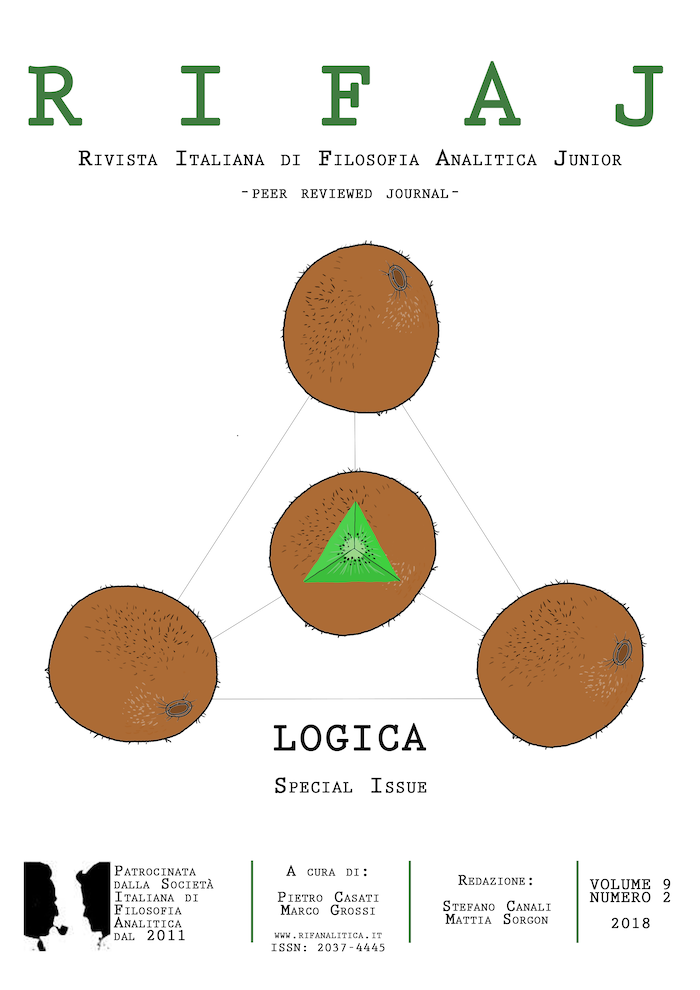
Benvenuti sul sito della Rivista Italiana di Filosofia Analitica Junior, il primo progetto italiano dedicato all'avvio alla ricerca filosofica. Sulla nostra rivista è possibile leggere articoli di studenti e dottorandi riguardanti i principali settori della filosofia analitica, esaminati dal nostro Comitato Scientifico attraverso il processo di peer review, insieme a contributi originali prodotti dalla redazione (recensioni, interviste, report). |
Numero corrente: |
 Facebook Facebook |  Twitter Twitter |  Academia Academia |
Rivista italiana di Paleontologia e Stratigrafia
The Rivista Italiana di Paleontologia e Stratigrafia publishes original contributions on all aspects of palaeontology and stratigraphy.
All papers are written in English and are reviewed by international experts.
The journal is currently indexed and abstracted by AGI, ISI, Current Contents, Georef, Geological Abstract and SciSearch.

RT. A Journal on Research Policy and Evaluation
[Publication ceased] Roars Transactions, Journal on Research Policy and Evaluation (RT), è una rivista elettronica, open-access e peer-reviewed journal, pubblicata semestralmente. RT deriva dall'esperienza di www.roars.it (Return on Academic ReSearch), un blog collettivo (in tialiano) dedicato al monitoraggio e all'esame critico di policy e tendenze negli ambiti dell'educazione superiore e della ricerca pubblica. RT vuole estendere scopo e profondità dell'analisi del blogm sollecitando contributi scientifici da tutto il mondo. Allo stesso tempo RT vuole mantenerne e potenziarne le caratteristiche di interdisciplinarietà, rilevanza e apertura.
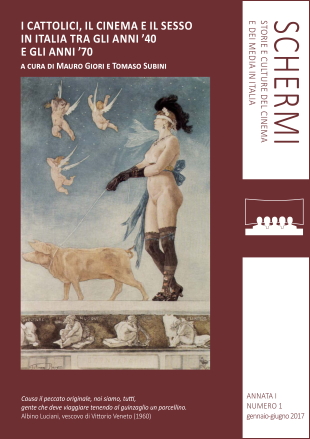

Società e diritti
La rivista Società e Diritti (Societad y Derechos, Societé et Droits, Society and Rights) mira a pubblicare contributi di teoria generale del diritto, giurisprudenza e sociologia del diritto, promuovere il dialogo tra giuristi e studiosi di criminologia, sociologi e filosofi del diritto con la finalità di un effetto diretto sulla ricerca applicata. In particolare vorremmo sviluppare la sociologia comparata del diritto promuovendo il dialogo tra autori europei e latino-americani.

Sound Stage Screen
Sound Stage Screen (SSS) is a biannual, peer-reviewed journal devoted to historical and theoretical research into the relations between sound, performance, and media. SSS addresses a wide range of phenomena, practices, and objects pertaining to sound and music in light of the interconnections between performing traditions and media archaeologies. SSS is available open access and is now open for submissions.

Stato, Chiese e pluralismo confessionale
La rivista, online dal 2006, ha cadenza mensile e vuole essere espressione della pluralità e del pluralismo delle scuole e degli indirizzi che - in ambito nazionale, comunitario ed internazionale - alimentano le discipline giuridiche interessate ai temi delle libertà di religione e di convinzione, dei rapporti tra gli stati e le confessioni religiose, dei diritti religiosi, sia per i loro profili tradizionali sia per quelli emergenti (bioetica, multiculturalismo, fine vita, ecc.).
Studi di storia medioevale e di diplomatica - Nuova Serie
La rivista accoglie saggi di storia medievale, di paleografia e di diplomatica, con preferenza per ricerche originali che utilizzino fonti inedite, delle quali è prevista anche la pubblicazione.
Studia austriaca
Rivista internazionale dedicata allo studio della letteratura e della cultura austriaca.
Il primo volume disponibile online è il Vol. XX (2012).
I volumi I-XIX (1992-2011) sono stati pubblicati a stampa, ma sono disponibili qui come file PDF ricercabili.
Studia theodisca
Rivista internazionale dedicata allo studio della letteratura e della cultura tedesca.
Il primo volume disponibile online è il Vol. XVIII (2011).
I volumi I-XVII (1994-2010) sono stati pubblicati a stampa, ma sono disponibili qui come file PDF ricercabili.

The Reasoner
The Reasoner is a bimonthly digest highlighting exciting new research on reasoning, inference and method broadly construed.

Tintas. Quaderni di Letterature iberiche e iberoamericane
"Tintas" vuol essere innanzitutto l'espressione della vitalità e varietà di interessi e ricerche dell'iberistica milanese e lombarda, con i suoi molteplici collegamenti internazionali.

translation. a transdisciplinary journal
[Pubblicazione cessata] Questa rivista internazionale, fondata nel 2012, è peer-reviewed e dedicata alla riflessione e ricerca sulla traduzione. I primi numeri, apparsi originalmente in versione cartacea, sono disponibili anche sulla presente piattaforma.
Milano University Press
Via Festa del Perdono 7 - 20122 Milano - Tel. +39 02503 12945
Libri e collane: redazione.milanoup@unimi.it
Riviste: riviste@unimi.it
© Copyright 2022


Privacy e cookie
Realizzato con software OJS curato e mantenuto da Archimede Informatica Società cooperativa.
Homepage di Isoladipasqua.