
Call For Papers
«AOQU», VII, 2 (2026). Epic and Destiny
The second issue of 2026, edited by Gabriele Bucchi and Corrado Confalonieri, seeks to investigate the multifaceted relationship between freedom and necessity—understood also as individual and collective destiny—in the actions of characters within heroic narratives from antiquity to the present day.
Epic narratives, like all plots, are structured around a transition from one state of equilibrium to another, often through one or more “reversals” (Aristotle, Poetics 6, 1450a). These narratives are typically oriented toward the realization of a final goal—a telos—which the characters’ actions tend to fulfill, though not without ambivalence and conflict.
Depending on their role within the plot—whether as central heroes or heroines, or as secondary figures—characters engage with their own destiny and that of others in different ways. Sometimes they consciously cooperate with what has been foretold by a higher power (be it the gods, fate, History, or Providence); at other times, they resist or attempt to delay its fulfillment, and in some cases, they even seek to escape it altogether, through flight or suicide.
The tension between freedom and necessity in both ancient and modern epic invites analysis not only of narratological aspects—such as narrator omniscience, character self-awareness, and the relationship between the main plot and episodic structures—but also of the epic’s relationship with other genres, particularly tragedy.
According to a well-known formulation by Hegel, the distinction lies in the nature of agency: a dramatic character “creates his fate himself, whereas an epic character has his fate made for him, and this power of circumstances (die Macht der Umstände), which gives his deed the imprint of an individual form […], is the proper dominion of fate” (Aesthetics: Lectures on Fine Arts, ed. Knox).
This issue invites contributions that explore how the relationship between epic and tragedy has been interpreted across different historical periods—and in the corresponding literary theories—in relation to the freedom and necessity of action. Of particular interest are the types of characters through which this relationship is articulated, and the narrative forms it assumes, including narrator interventions, character monologues, and dialectical confrontations between characters.

Proposals (maximum 350 words) should be sent to gabriele.bucchi@unibas.ch and confalonieri@chapman.edu by October 20, 2025. Notification of acceptance will be communicated by October 20, 2025, and final submissions are due by May 20, 2026.
Submission
The Journal usually publishes monographic issues through a CfP system, but «AOQU» is also open to contributions on different topics from the ones proposed in the CfP; free submissions could find an appropriate location either in special sections of the journal or in special issues.
CfP Archive
«AOQU», VI, 1 (2025). Forms and Ways of Epic

«AOQU», V, 2 (2024). For men only? The reception of epic from the perspective of gender

Cfp. For men only? The reception of epic from the perspective of gender
«AOQU», V, 1 (2024). Memory and reworking of ancient epic in the culture of "long Eighteenth Century"

Cfp. Memory and reworking of ancient epic in the culture of the "long Eighteenth Century"
«AOQU», IV, 2 (2023). World Epics in Puppet Theater
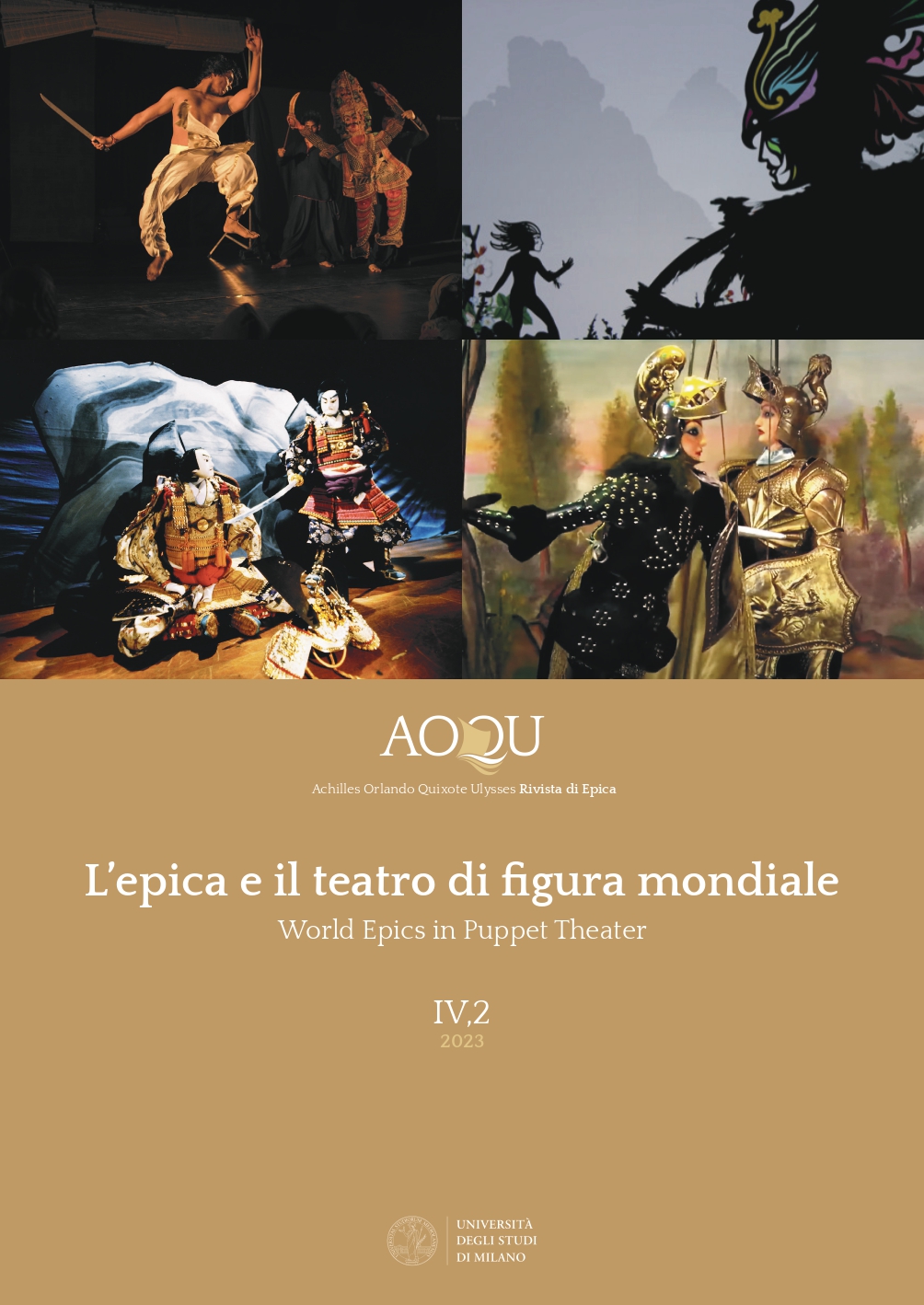
CfP World Epics in Puppet Theater
«AOQU», IV, 1 (2023)
«AOQU», III,1 (2021). The Young Hero
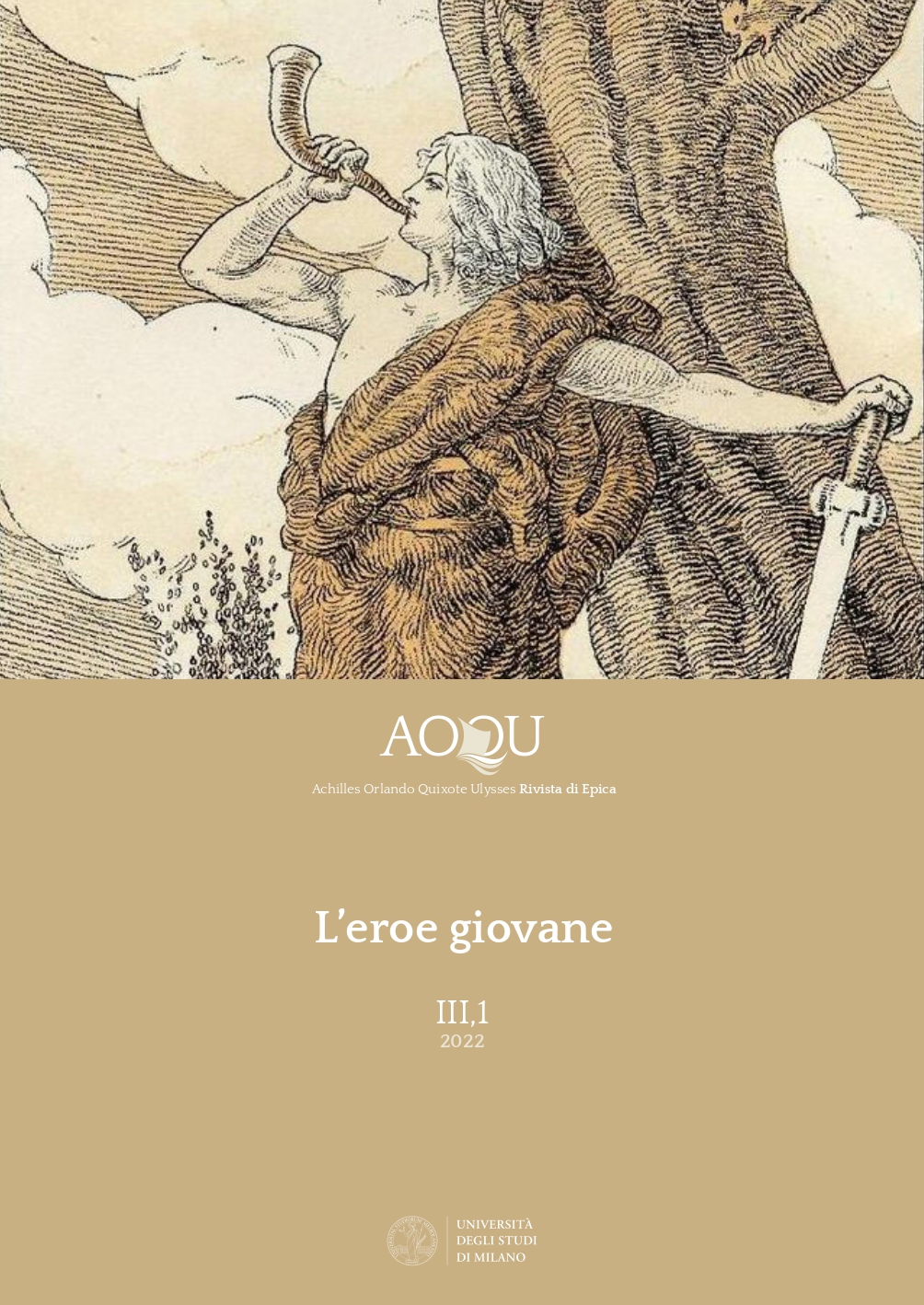
«AOQU», II,2 (2021). The Death of the Hero
Cfp The Death of the Hero and The Young Hero
«AOQU», II,1 (2021). Epic and the marvellous
.jpg)
CfP Epic and the Marvellous eng
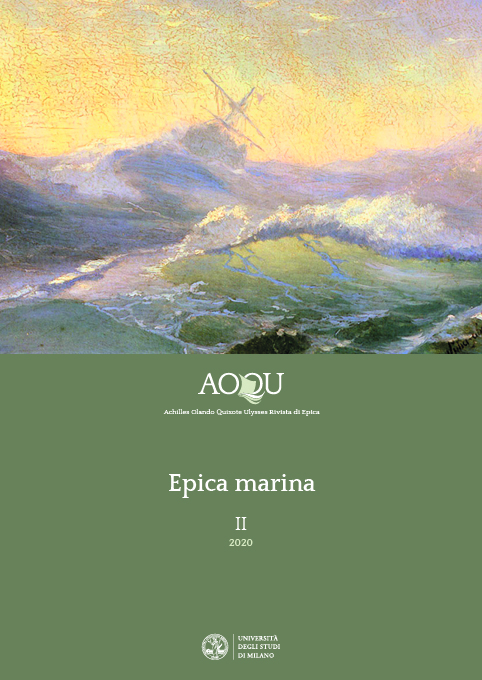
«AOQU», I,2 (2020). Epic and the Sea
Submission Preparation Checklist
As part of the submission process, authors are required to check their submission's compliance with all of the following items; please be aware that submissions that do not comply with these guidelines may be returned to authors.
-
The submission has not been published before, nor has it been submitted to another journal for consideration (unless appropriate explanation is provided in a note to the editors).
-
The submission file is in Microsoft Word (.docx), or OpenOffice (.odt) document file format.
-
The text follows the Author Guidelines, which are found below on this page.
-
The author adheres to ethical guidelines of the journal
Privacy Statement
The names and email addresses entered in this journal site will be used exclusively for the stated purposes of this journal and will not be made available for any other purpose or to any other party.