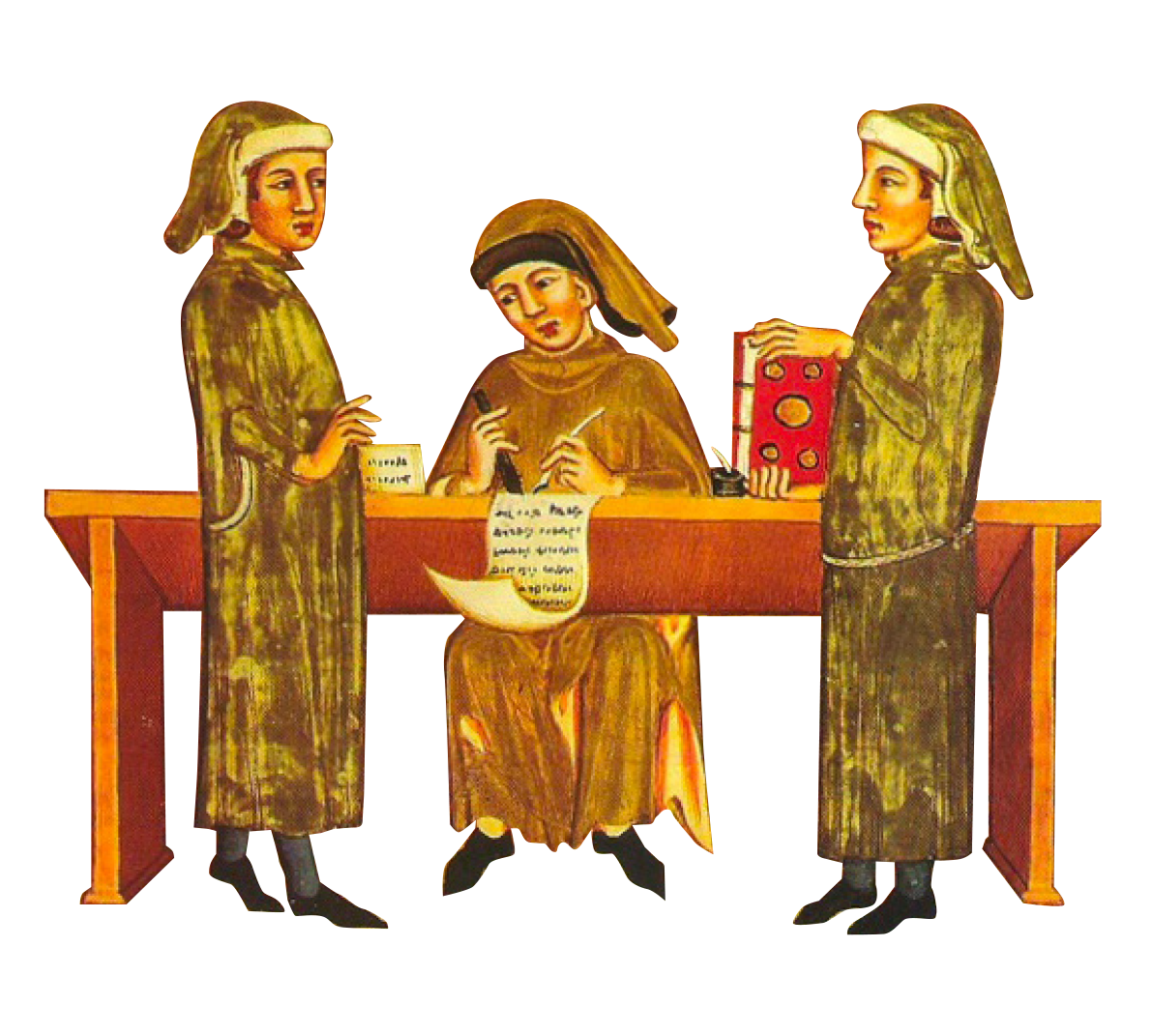
Rationem reddere. Diritto, assistenza, cultura scientifica (medioevo e prima età moderna) (Quaderni di SSMD, 10)
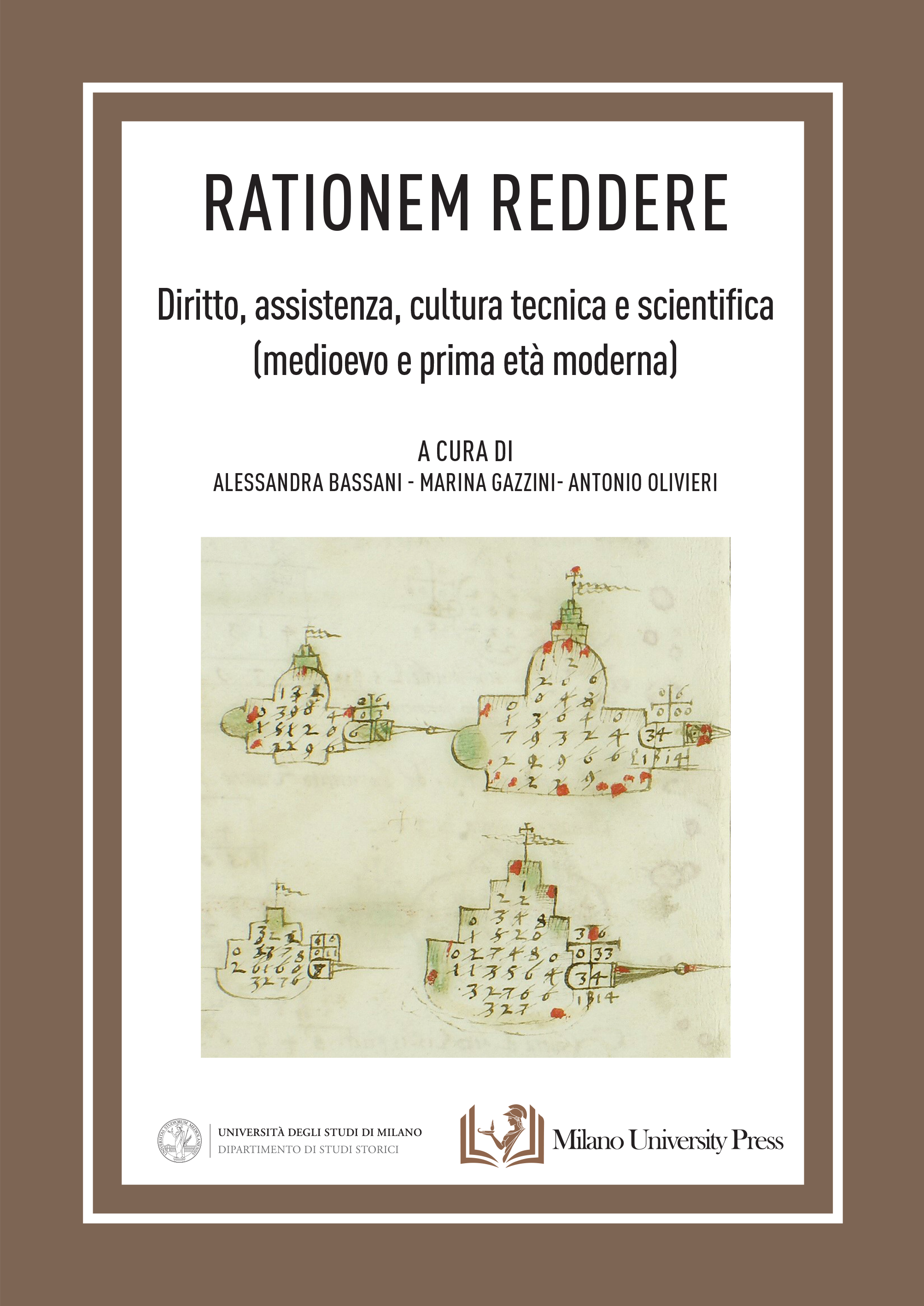
This volume offers a collective reflection on the link between rationalization, calculation practices, and forms of social order in late medieval Italy, utilizing financial accounting as an interpretive key. Abacus books, account ledgers, legal treatises, ecclesiastical regulations, and historiographical texts are read as media of rationalization—capable of organizing knowledge, behaviors, values, and social relations. The fundamental hypothesis of this interdisciplinary study, which weaves together economic, legal, scientific, and welfare history, is that the spread of measurement, classification, and recording practices did not merely address technical or administrative needs. Instead, it responded to a broader cultural and political transformation, contributing to the construction of modernity.
Published:
2026-05-15